
All I learned about Social Science Research Writing, I learned from Blogging.

blog Photo Credit : Theslaeslion

By the middle of my first year in a Social Science PhD program (Information Systems), I realized I had  a  handicap in research writing. Coming from a background in computer science, I was literally stumped on two early proposal writing tasks – I  struggled in organizing my ideas, presenting them in a logical sequence and telling a coherent story . As I read more papers, I realized something. Research writing in the Social Sciences is a bit of an art. It is systematic, and rigorous, but artistic still. We tell stories . And storytelling is a fundamental aspect of the publication process.

Writing papers and getting them published is vital for Ph.D. students who want to get research positions after graduation. Your ability to write well significantly improves the chances that your paper will be accepted. Ronald Azuma

And I just wasn’t a good enough story teller. To improve my writing, I took an unlikely approach – I would blog, I would learn to tell stories via blogging .

Interesting, several articles have discussed the relationship between blogging and research performance. But they look at it from the perspective of disseminating research output – I.e rewriting academic journal articles so everyone can digest the main points. So called science blogging.  On the flip-side, I am referring to blogging – writing posts on general topics –  as a valuable process that helps develop skills which are directly transferable to social science research writing. Social sciences has to do with examining relationships between individuals (and objects) in a society – and there are multiple different methodologies that can be used to answer any given research question. However, writing up all these studies, despite the chosen methodology, involves elements of story-telling. This post does not focus on any given methodology but draws overt correlations between stuff I’ve learned from general blog writing and social science research report writing.

Over the past 12 months, I have written dozens of blog posts covering technical tutorials among other subjects, and here are 8 things I have learned. Continue reading
Posted in General Thoughts, Reflections, Research | Tagged , | Leave a comment

Google Inbox – A Panoply of UX/Design Wins and Fails.

inbox

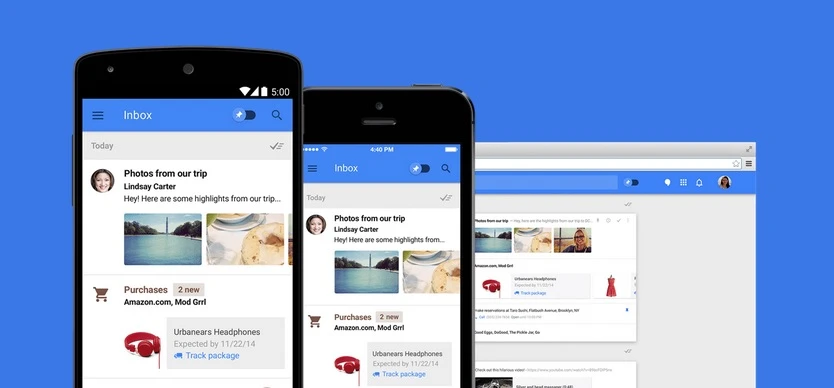
Some days ago, I got finally got an invite to try Google’s new email application – inbox! I had heard alot it within social media circles, and most evaluations of the product described inbox as visually appealing. Specifically,the material design paradigm  really did shine through! And thats where the praise sort of ends for me. For some reason, after installing inbox on my android device, I did not find it that easy to use compared to gmail. And I thought to myself … now why is that ? In this post, I’ll do a little design thought exercise by listing out the things I did like about inbox (wins), and the things that stumped me (fails). And what I might do . Continue reading

Posted in Design, General Thoughts | Tagged , , , | Leave a comment

Tizen Developer Summit Shanghai 2014 – A Recap

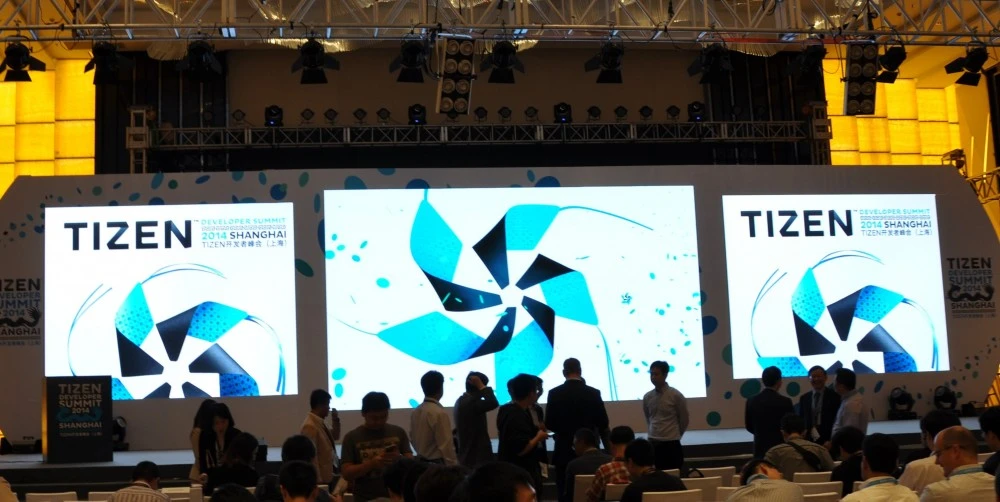
The Tizen Developer Summit is a regional, technical conference for Tizen developers, App developers, ISVs, Platform designers, Operators, OEMs, Hardware vendors, Software vendors, Open source enthusiasts, Academics and anyone engaged in Tizen. For Tizen, this was an opportunity to connect with partners in the China region, partners that must NOT be ignored. Present was Baidu, China Open Source Association, Tencent and of course Intel and Samsung. I had the opportunity to give a presentation on “Practical UI Design for Wearable Apps” at the Summit and the entire schedule can be found here. Presentation slides/audio recordings should be available soon after the conference ends . So, in no particular order, here are important things I learned. Continue reading

Posted in Developer Tips, Education, Programming | Tagged , | Leave a comment

Do we learn while we play games ? A Study on Tacit knowledge acquisition during Gameplay

World-of-Warcraft-Mists-of-Pandaria-Midnight-Release-Openings

The short answer is yes! But then, this is not new . What we also find in this study is that we learn stuff uncounsciously … but can’t really tell. This post briefly introduces results of a study I helped conduct a while ago regarding knowledge acquisition during game play. The full paper is available for download here.

Introduction

Massively Multiplayer Online Games (MMOGs), Virtual Worlds, modern FPS games  have a few things in common – they all have have high quality 3D rendered environments, provide immersive experiences and are well .. enjoyable. This enjoyment can be reflected in the enormous amount of time people spend playing these games. However, an important (and old) question arises – are these games useful for more serious endeavors such as learning or knowledge acquisition ? In this research study, the goal was to find out how much information players retain/recall, and also what type of information/knowledge they acquire. To this end, a few novice subjects were allowed to complete tasks within the famous MMOG World of Warcraft and were asked questions related to their participation.  Results show that gaming leads to knowledge acquisition, which is higher for fact-based knowledge than for complex, planning -type
knowledge. The results also indicate that subjects acquire more knowledge than they are able to recall. Continue reading

Posted in Research | 2 Comments

How to Test Apps Using the Samsung Remote Testing Lab

rtl

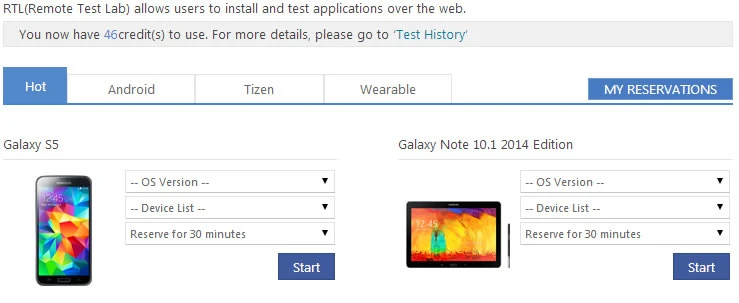
To facilitate testing of apps, Samsung has developed the Remote Testing Lab (RTL) facility in several regions (Poland, UK, US, INDIA, RUSSIA) . These labs contain real devices which allows developers upload and test their apps to ascertain behavior across multiple different devices (Note, Note Mini, Tablets, etc) , OS (Android, Tizen) and form factors (smartwatch, smartphone). To use the devices, you need to download and run a java applet which connects you to a live device in the Samsung lab and provides an interface to interact with this device. This post covers the steps needed to test your android, tizen and gear apps on real devices over the internet using the sSamsungremote testing lab. Continue reading

Posted in Programming, Tutorials | Tagged , | Leave a comment

Book Review – Learning iPhone Game Development with Cocos2D 3.0 by Kirill Muzykov

kiril

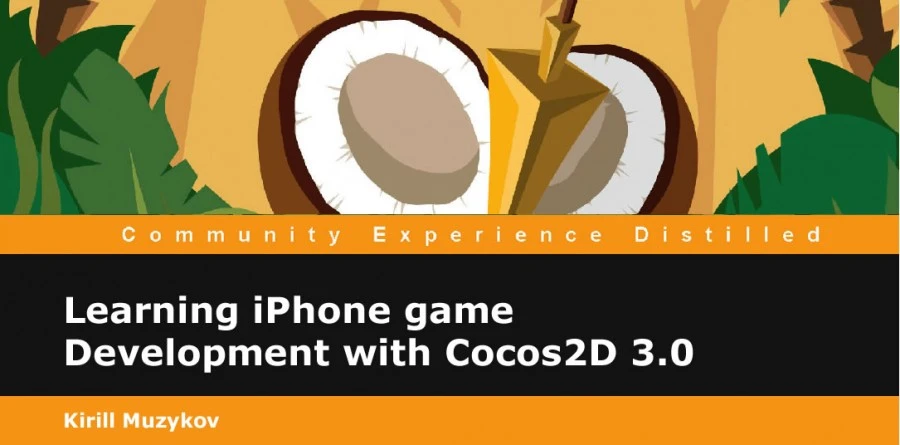
Occasionally, very good books come along that meet two important needs of beginner programmers – they are written in an engaging illustrative manner, and they cover the basic background knowledge or theory foundation required to commence larger projects. One such book is Learning iPhone Game Development with Cocos2D 3.0 by Kirill Muzykov – and that’s what this post is all about! Continue reading

Posted in Cocos2d, Developer Tips, Education, Programming | Tagged , | Leave a comment

The Samsung Galaxy Gear S – Compared with the Gear 2

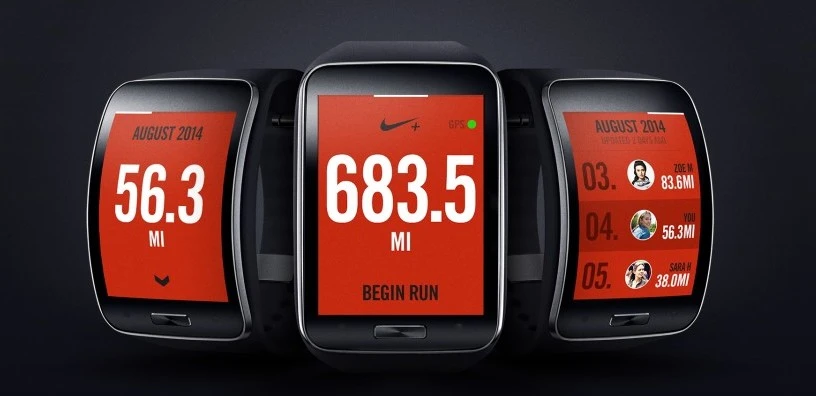
Samsung is at the LEADING THE EDGE OF INNOVATION ON WEARABLES … especially with smartwatches. In addition to the Gear 2, Gear 2 Neo which was released barely a few months ago in April, Samsung has just released the all new Gear S smartwatch, and I think it is just amazing. The Gear S comes with its own 3G connectivity that allows it fully replace the functionality of your phone, and it comes with a rich plethora of apps that meet entertainment, utility and health needs. Here is a quick comparison of its specs and how it stacks up (or outclasses) the Gear 2 line of devices.

Continue reading

Posted in Wearables | Tagged , , , | Leave a comment

Getting Started Developing Android Apps with the NODE+ Sensor using Eclipse

What is the NODE+ Sensor

DSC_0125

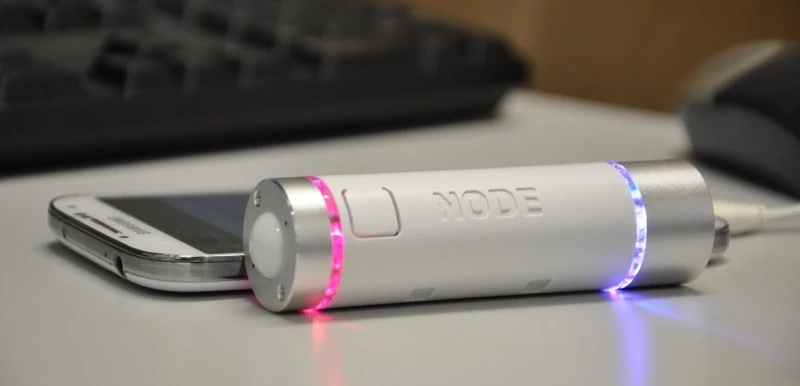
That’s my node+ right there … 🙂

It looks like a very beautifully designed Cylinder with a few sensors in it that can relay readings via Bluetooth LE . Inside the NODE+ device, its  a Lithium Polymer battery (650 mAh) , 12-14 hours battery life with continuous Bluetooth use, 2 MB memory, 3-axis accelerometer, 3-axis magnetometer , 3-axis gyroscope , Audio buzzer , Bluetooth 2.1 or Bluetooth Low Energy , 2 module ports , 2 dimmable blue LEDs, micro-USB for charging and firmware programming .

Continue reading

Posted in Sensors | Tagged , , , | Leave a comment

Introducing the Texas Instrument CC2541 SensorTag Combined Sensor

DSC_0024

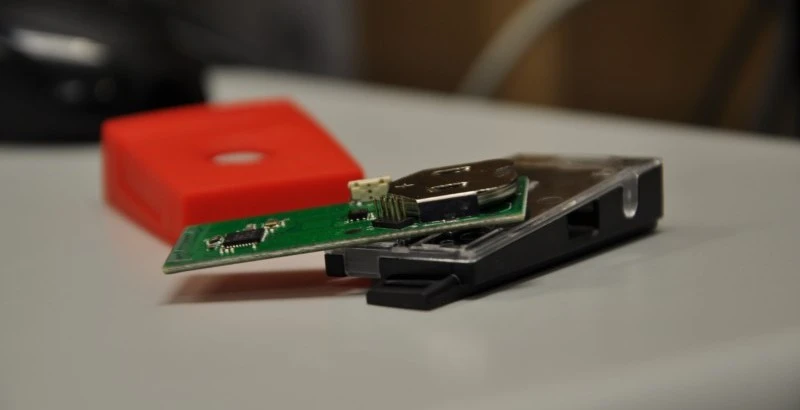
TI CC2541 SensorTag Components – Board with battery inserted and case

Some weeks ago, my inner geek began to itch and I thought it would be cool to examine programmable sensors that could communicate with my mobile phone via bluetooth low energy. You see, sensors are important nowadays because they are the little minions that collect all the important data that constitutes the larger construct called the “Internet of Things” aka IoT. As I read a bit more on sensors, I learned about iBeacon Technology. And as I read even more, I learned about the Texas Instrument CC2541 SensorTag.  It has 6 very important sensors – IR temperature Sensor, Humidity Sensor, Pressure Sensor, Accelerometer, Gyroscope and Magnetometer – And it cost $25 (including 3 day expedited worldwide shipping) . It was very easy to assemble, supports iBeacon and I loved it!

You can check out the specs or purchase it here if interested. Continue reading

Posted in Sensors | Tagged , , , | Leave a comment

Tizen Wearable API Documentation Version 1.0 and New Features too!

Untitled

Up until now, there hasn’t been a documentation  of the Tizen Wearable OS platform which runs on gear 2 devices. Samsung has just released a Programming Guide (which is hardly matured yet) , but definitely provides more information. The Samsung developer team have been working real hard .. because there are a few new features documented in addition to the basic stuff . You can get on the Samsung Developer page or download it directly .. Continue reading

Posted in Developer Tips | Tagged | Leave a comment